
What happens when an object behaves in a way that contradicts its nature?
A collection of familiar items begins to move together like a flock. The delicate motion transforms how the objects are perceived, revealing how behaviour can reshape meaning.




A large collection of everyday objects begins to move as a single flock. Their paths weave and fold around one another, creating a gentle, coordinated motion that feels unexpectedly delicate.


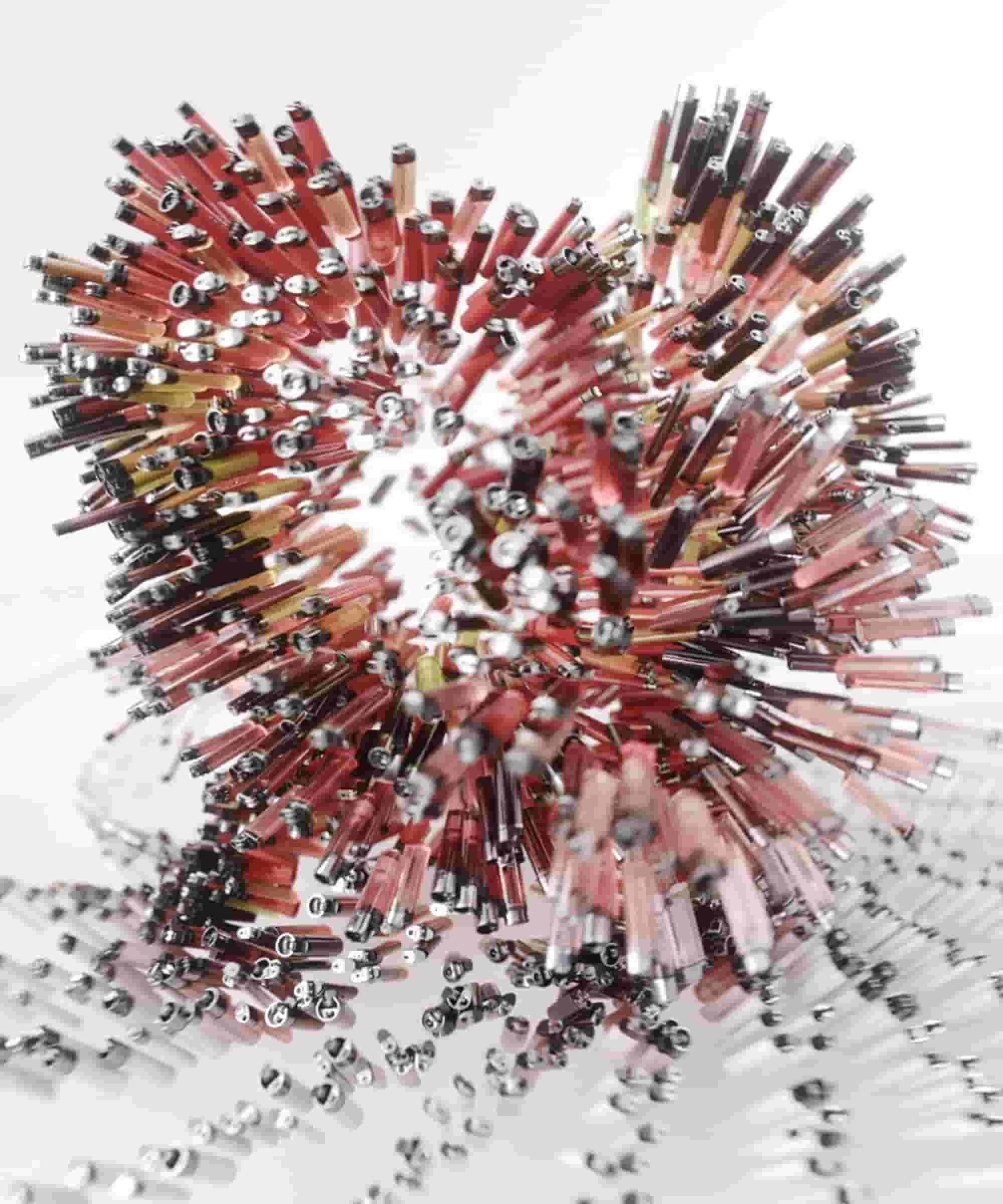
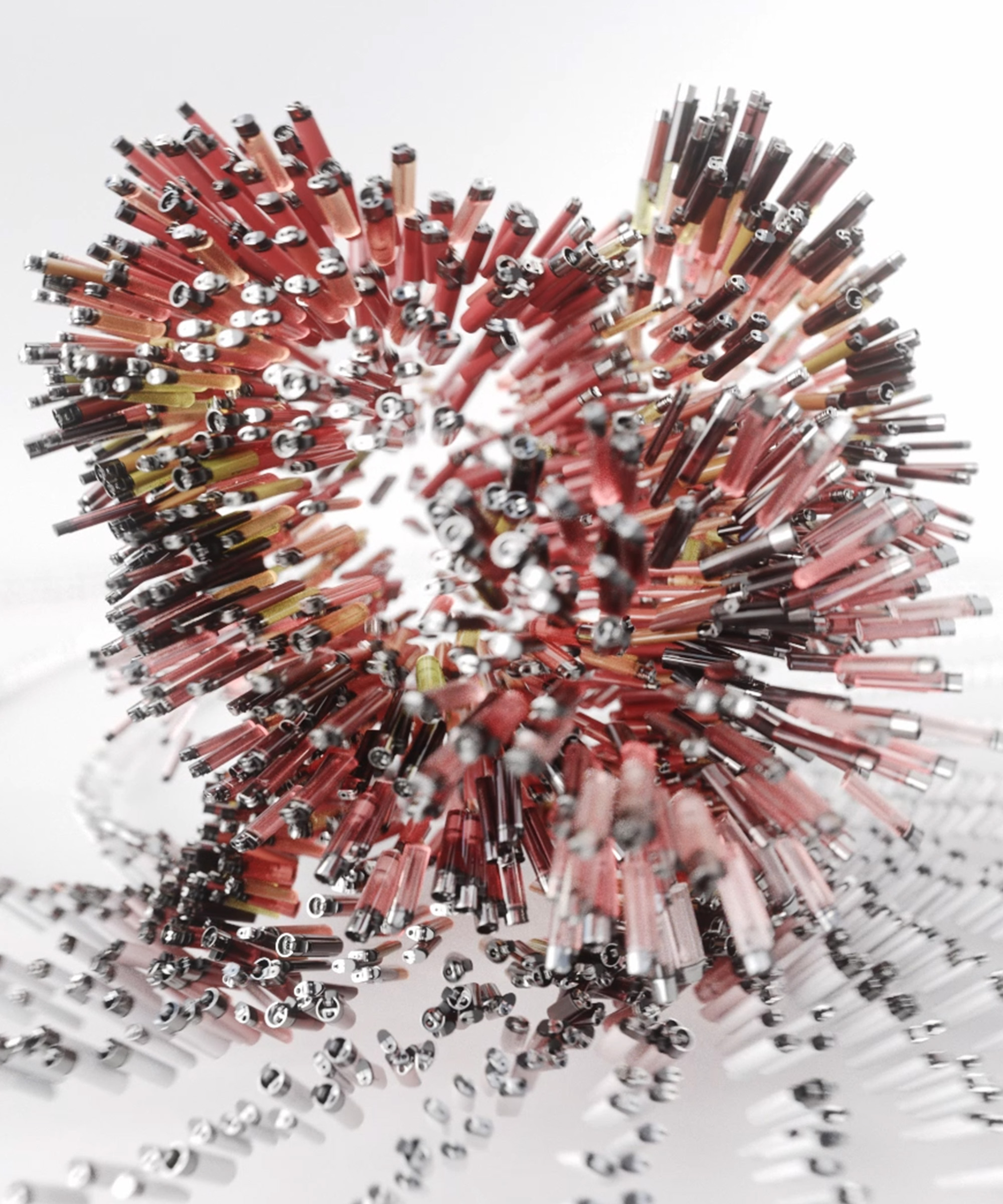


As the movement develops, the identity of the object becomes less important than the behaviour it participates in. What first appears ordinary begins to feel almost graceful.


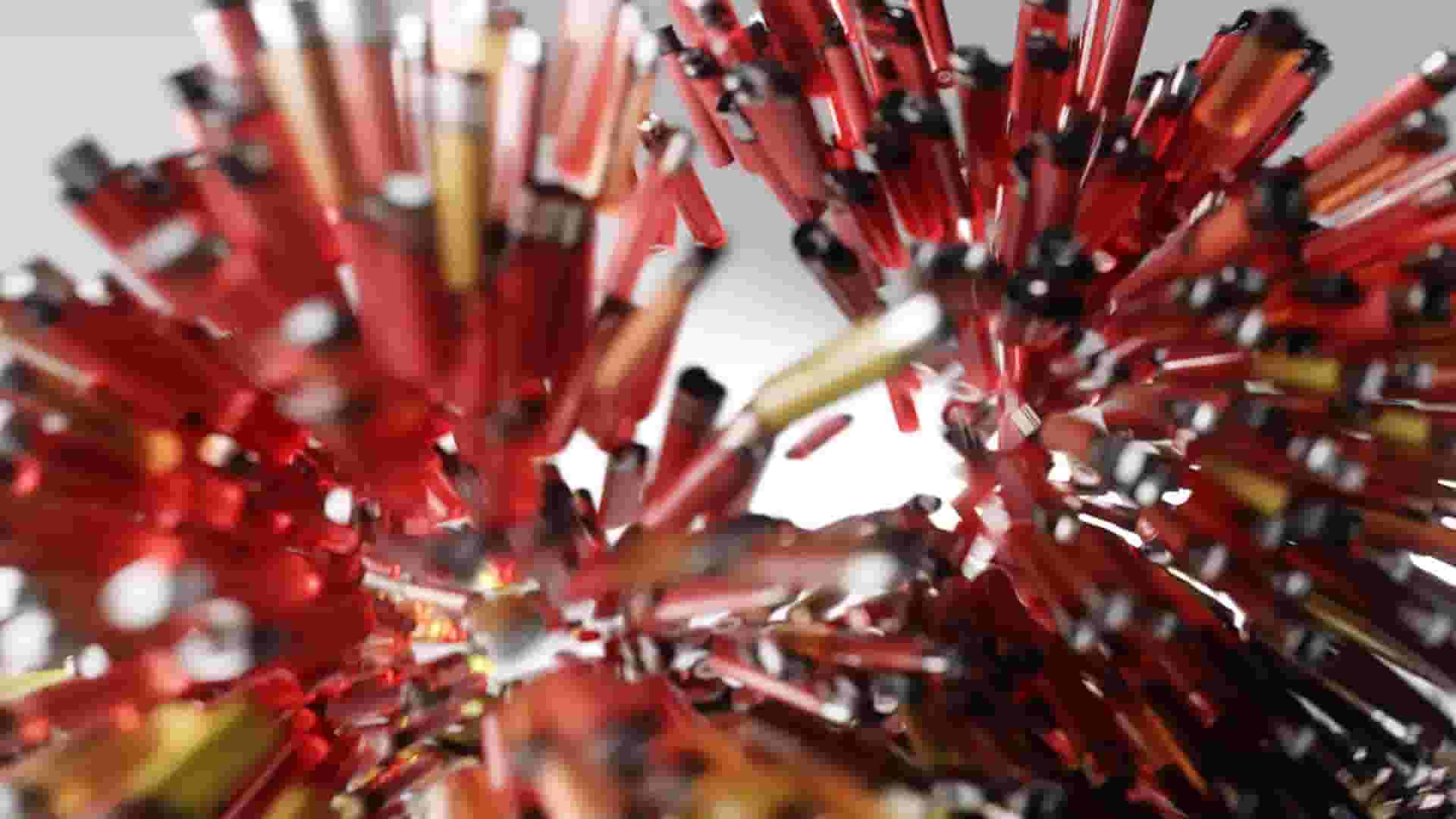



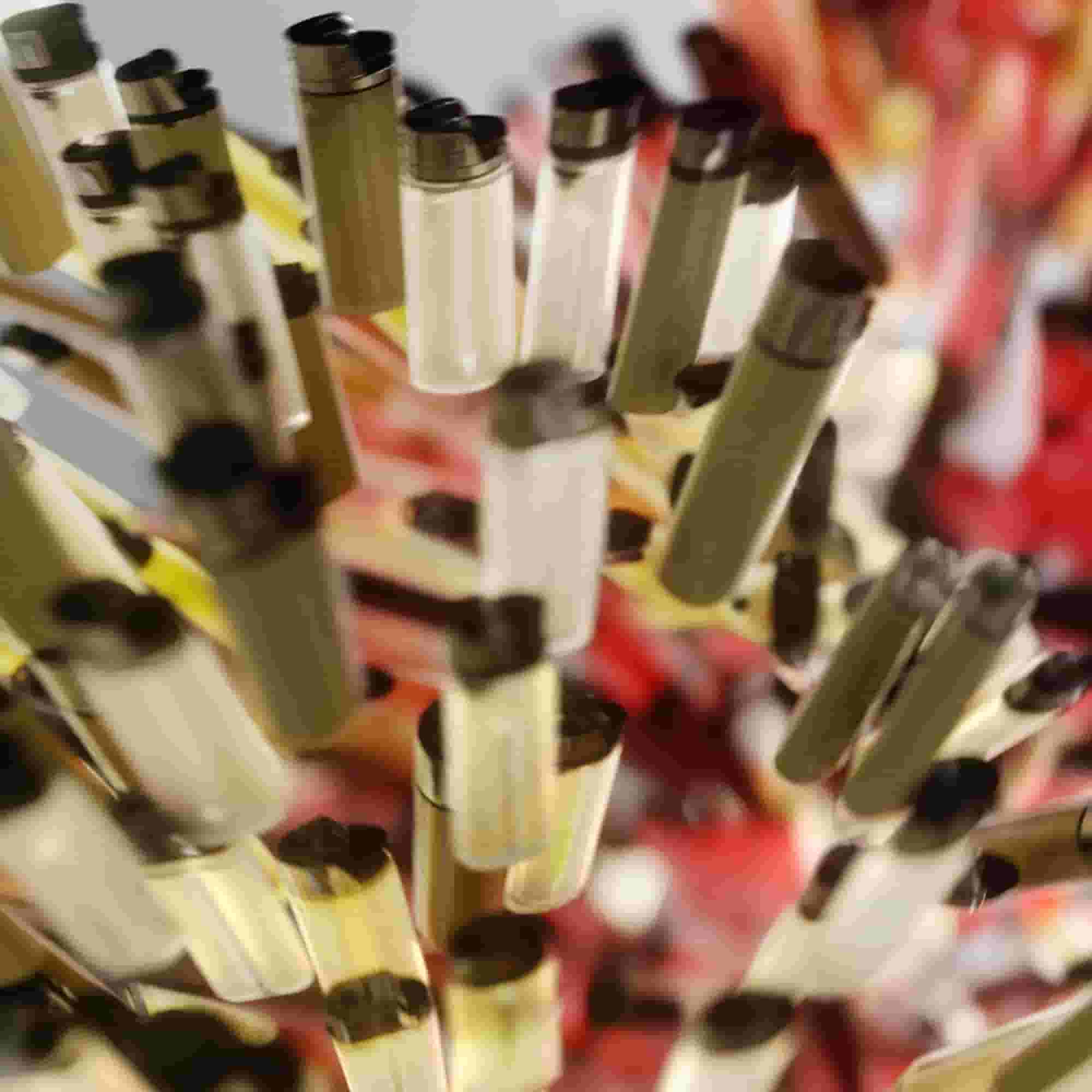

Perception often shifts when context changes. Even familiar objects can take on new meaning when they behave in unexpected ways.