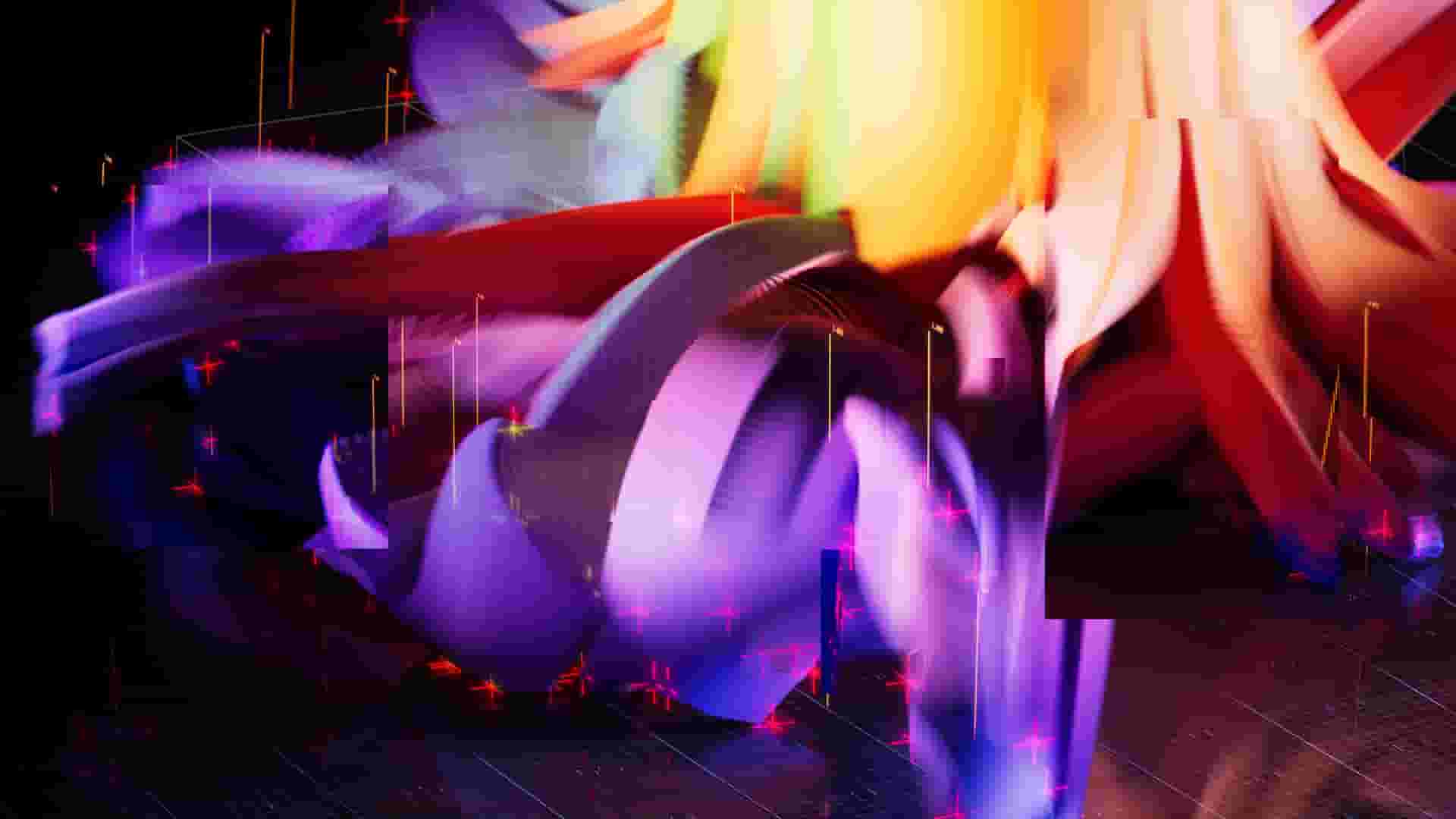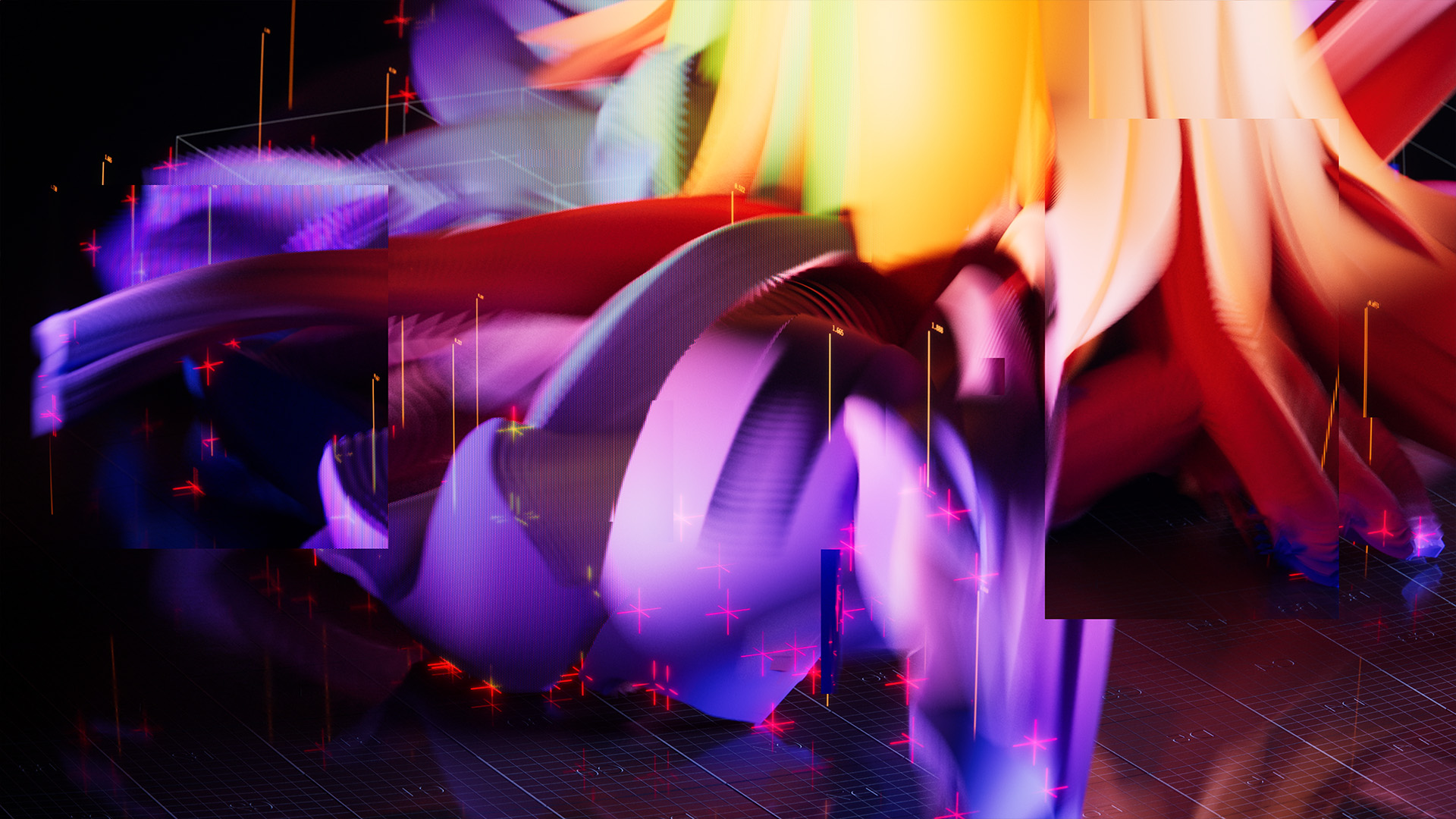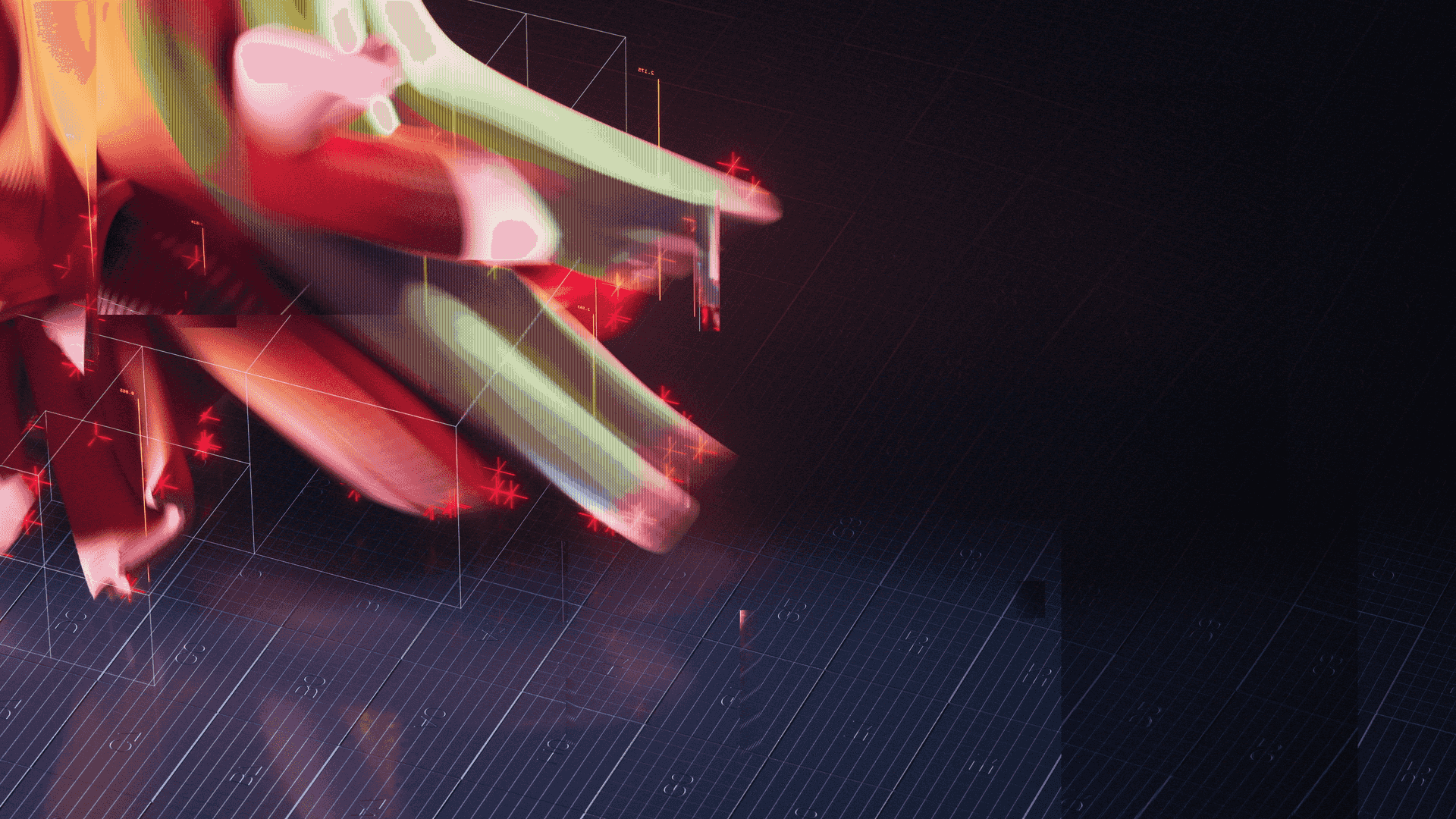
How does breaking time apart change the way motion is read?
By treating time as something that could be split and delayed, motion began to behave differently. Individual moments became clearer, yet the overall movement still flowed. The eye started to read time spatially rather than sequentially.
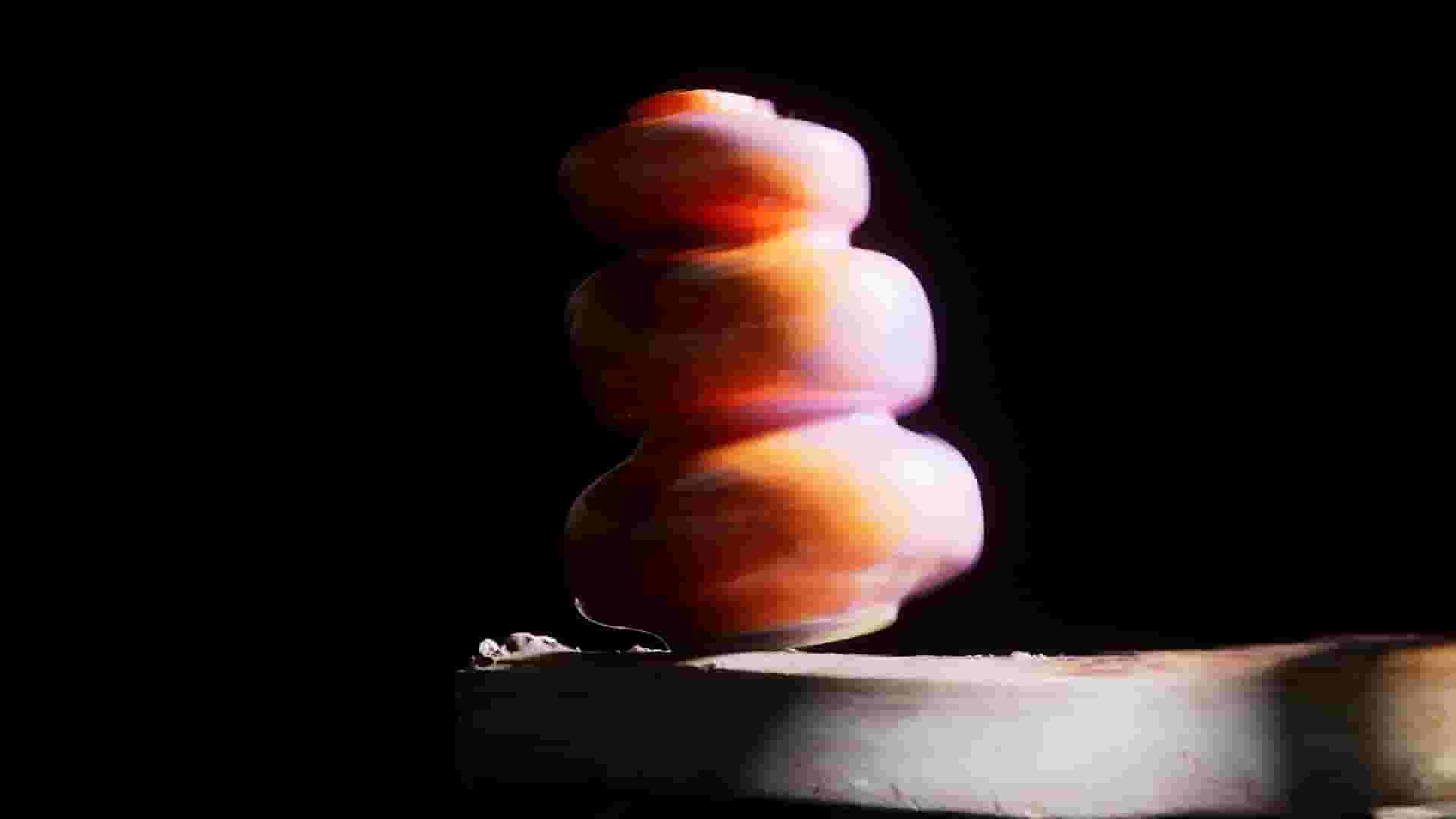



Instead of treating distortion as an optical effect, the exploration looked at what happens when time itself becomes visible. The focus was on separation and delay, and how shifting those relationships changes continuity and rhythm.
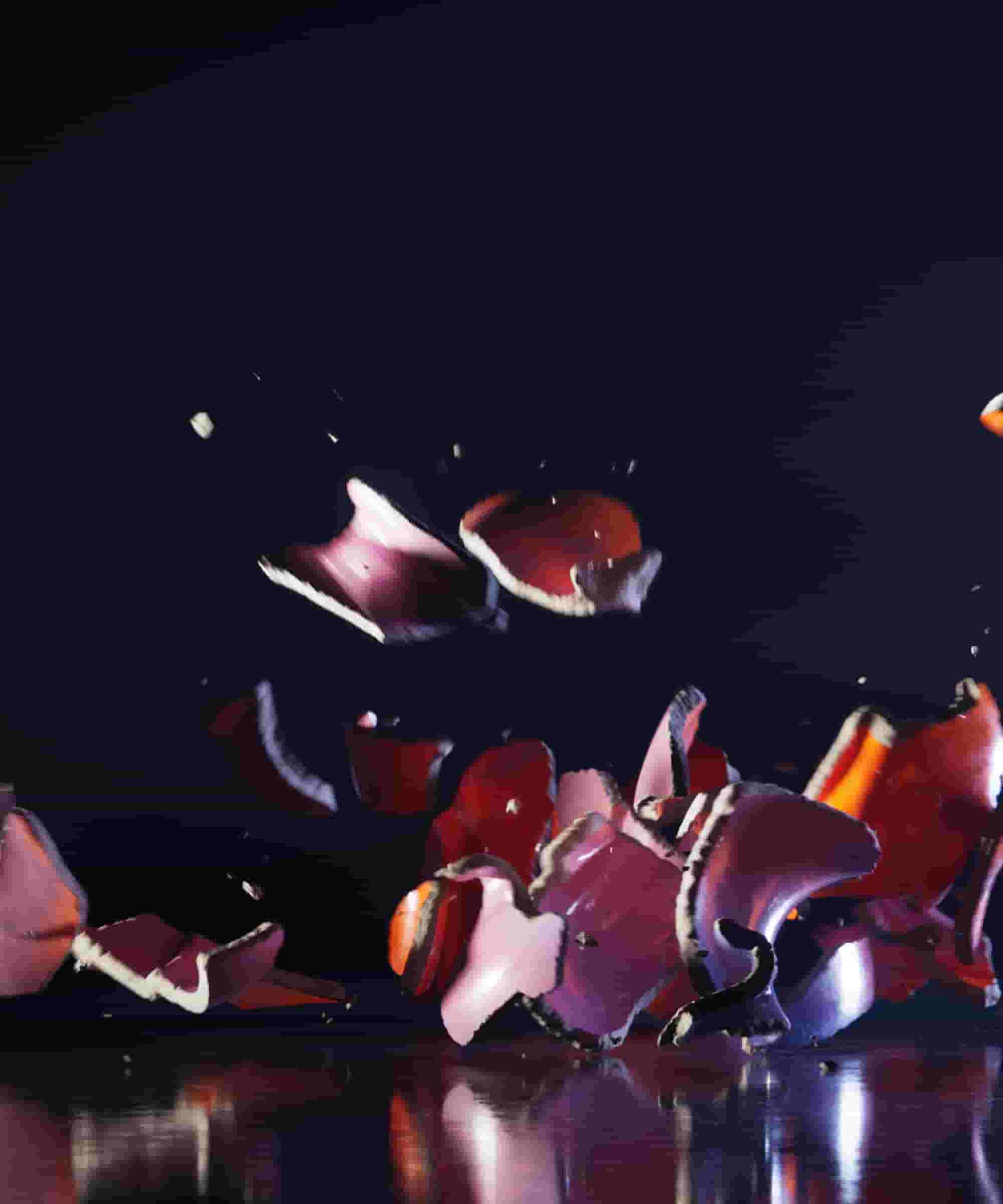

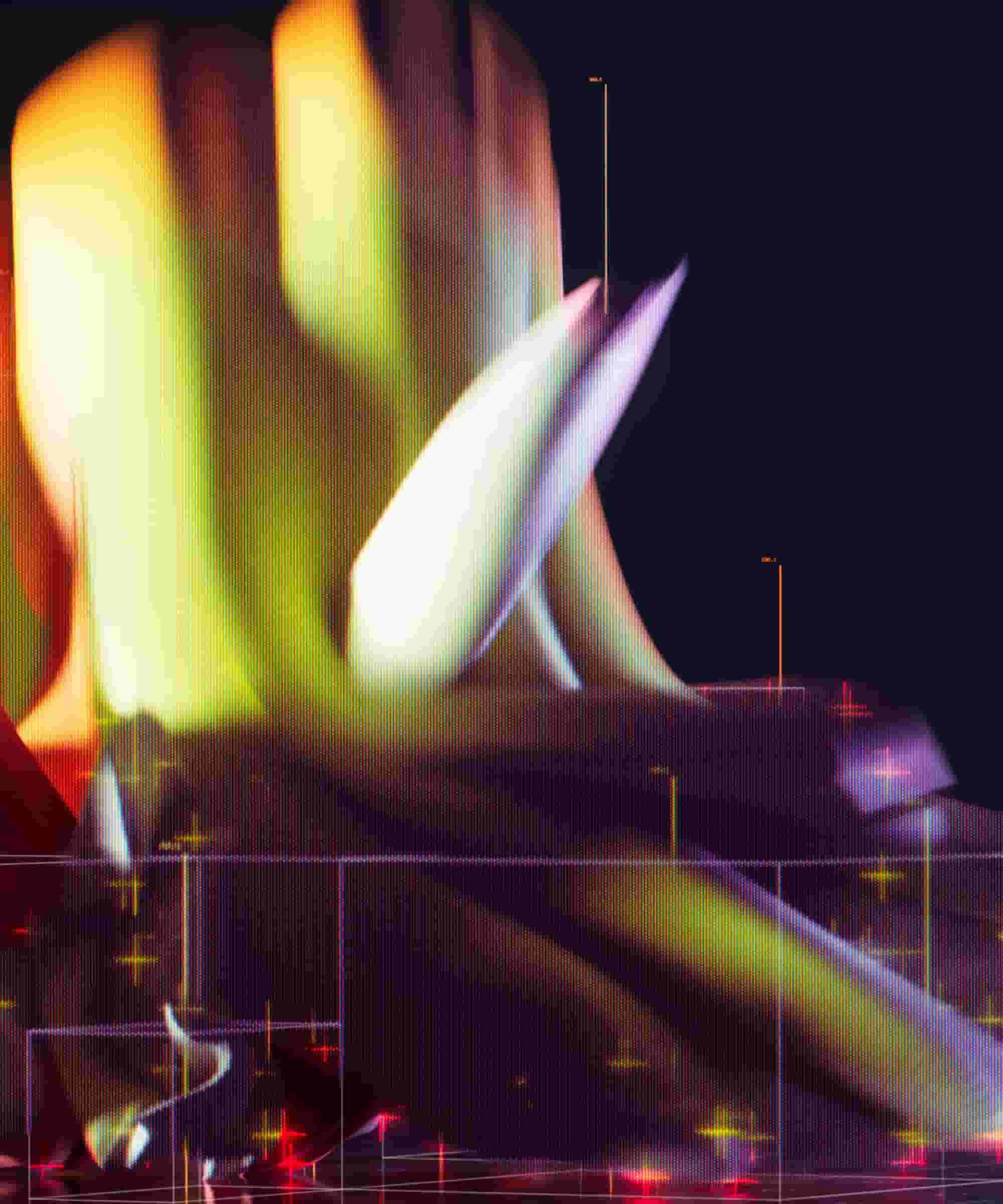
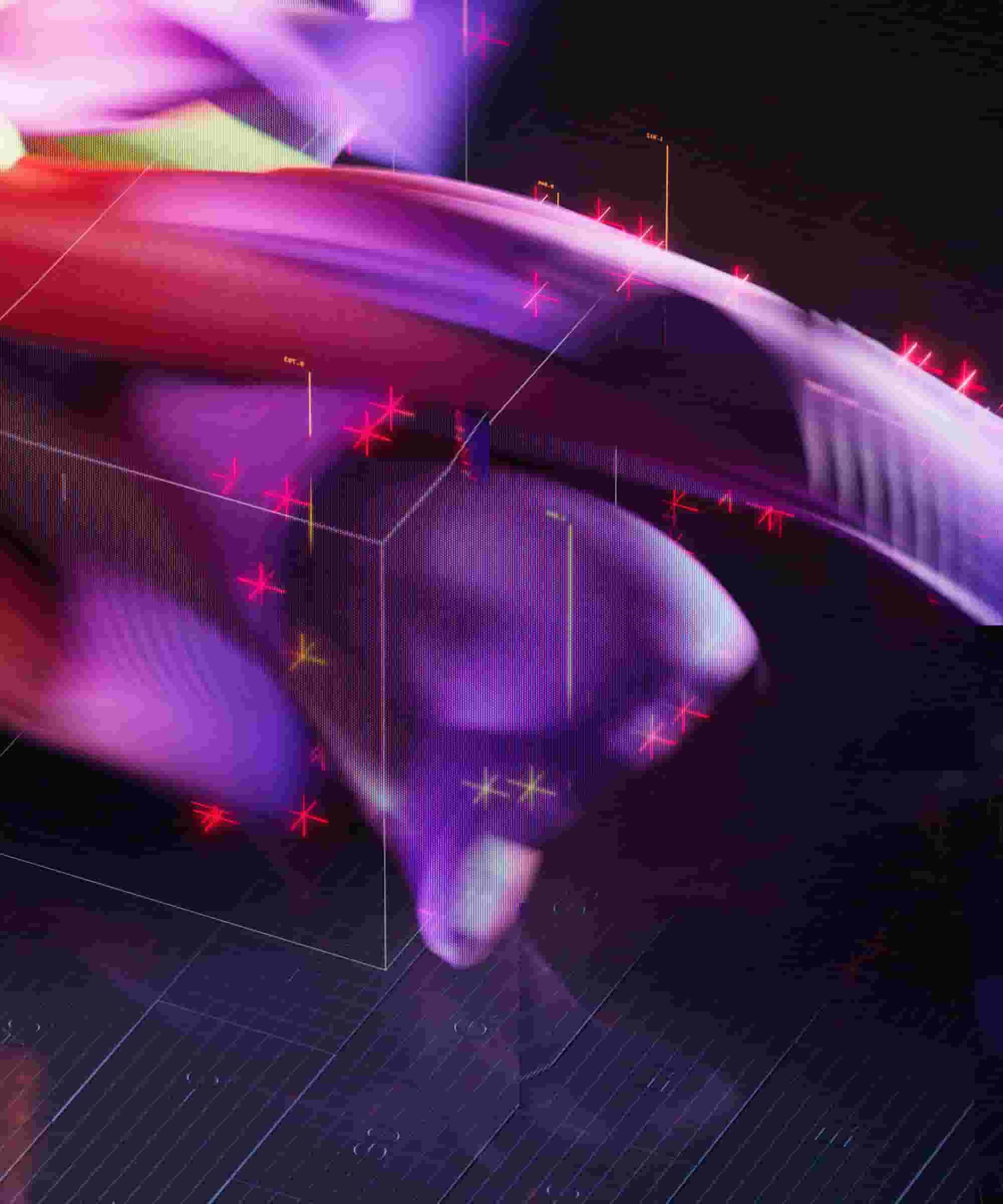
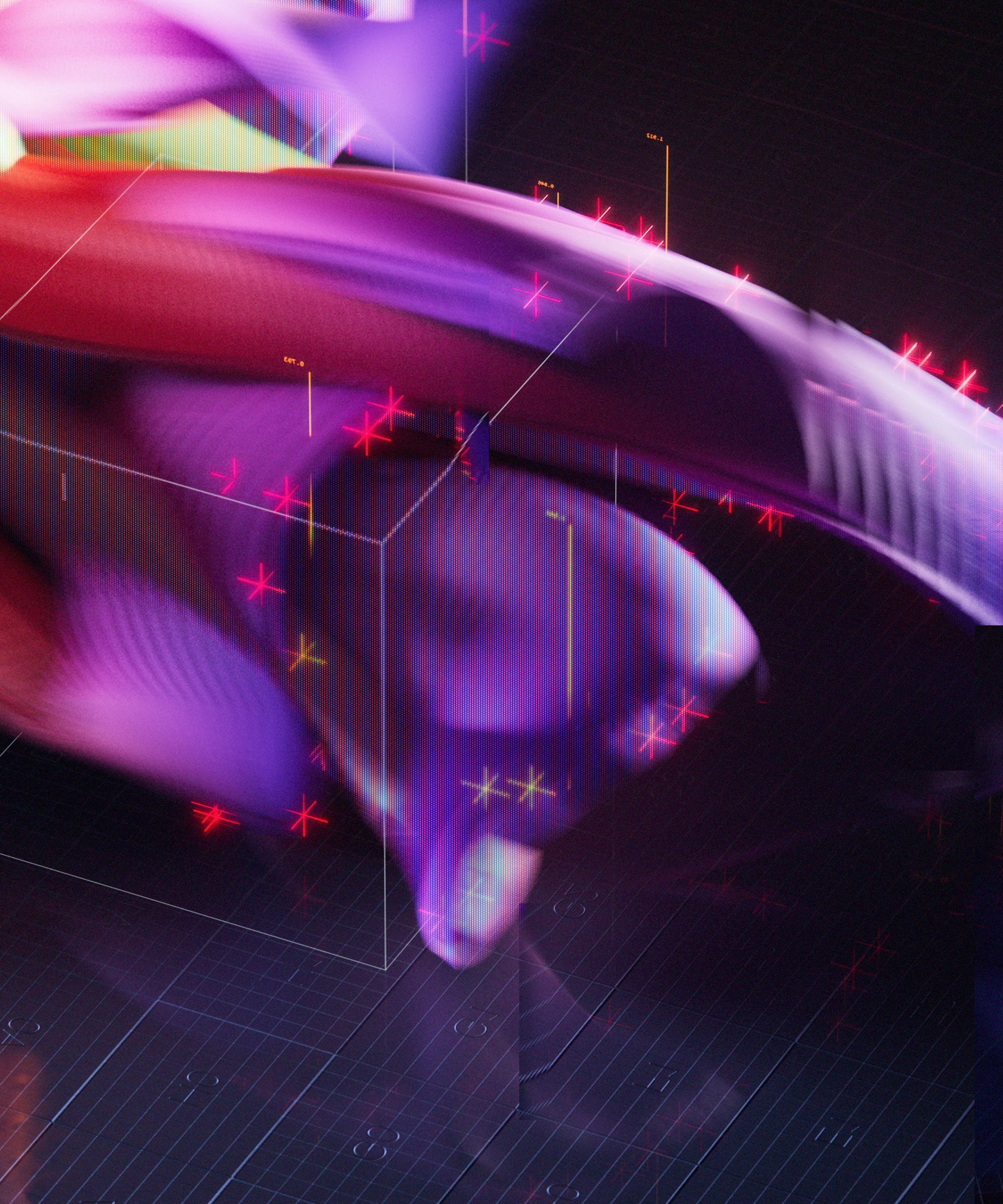
Fragmenting motion made individual moments easier to read, while also creating a different sense of flow. The eye began to understand time spatially rather than as a continuous sequence.
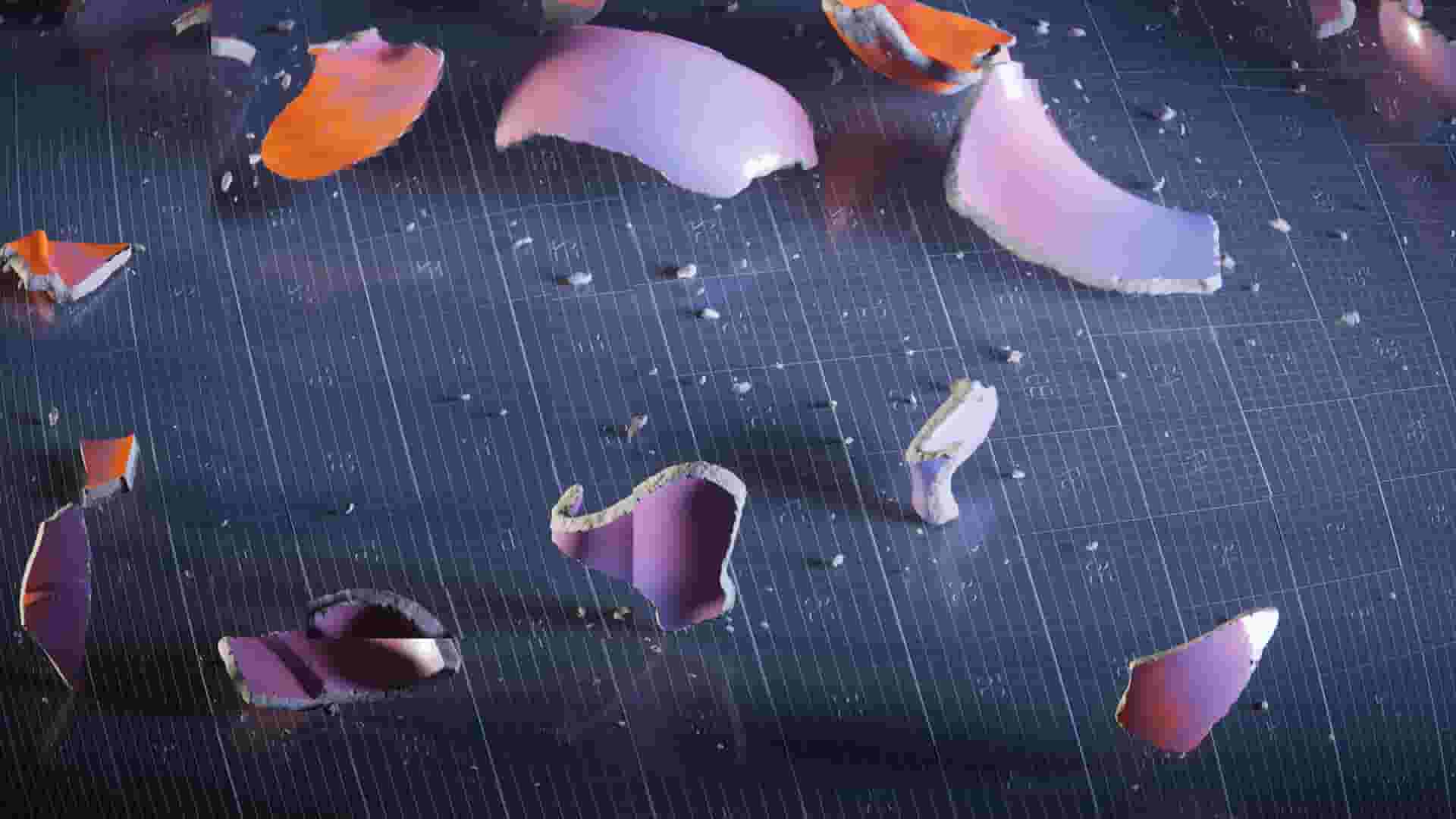

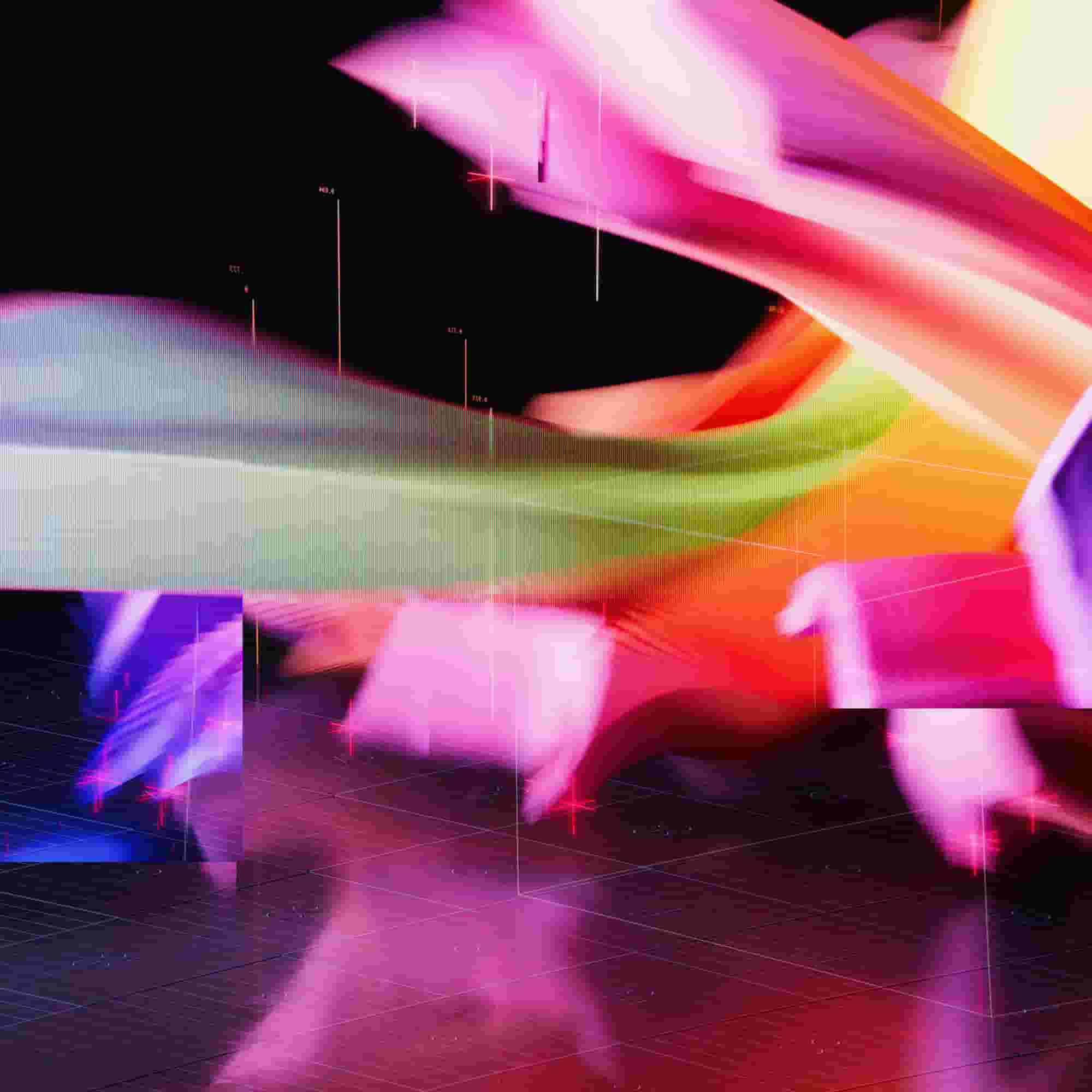
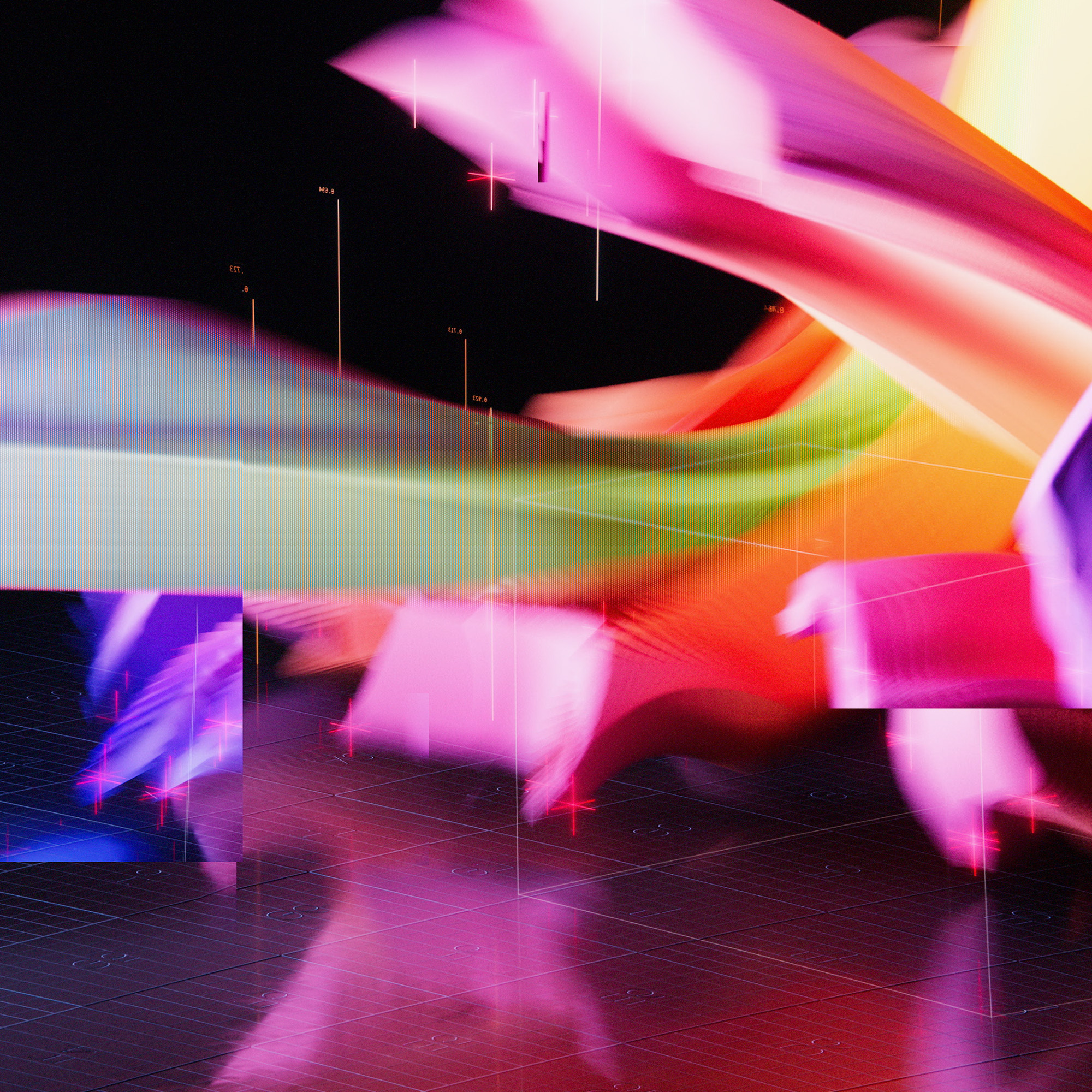
Motion does not just show change. It can shape how time itself is perceived.